
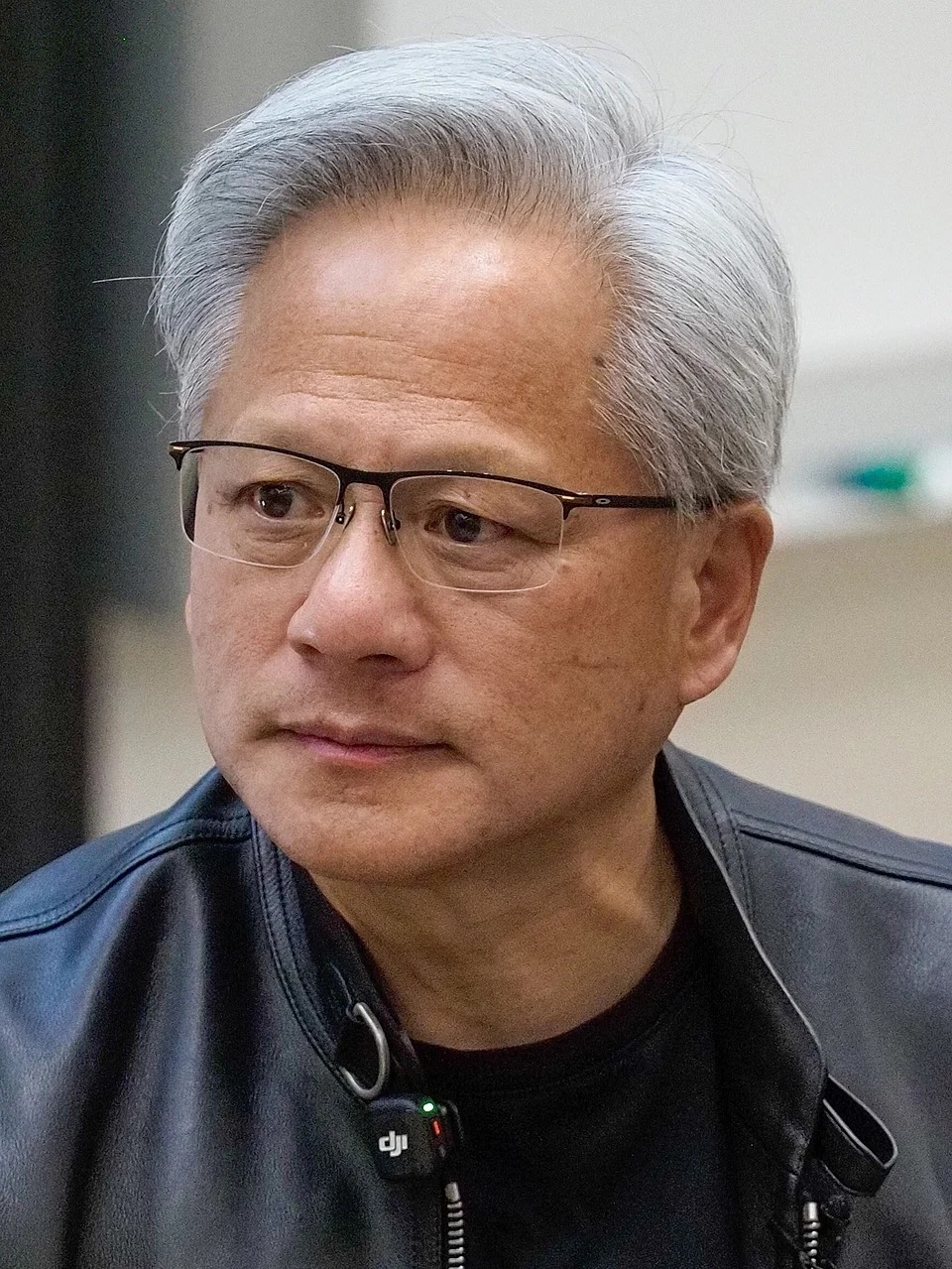

Jensen Huang, the co-founder and longtime Chief Executive Officer of NVIDIA, has resigned from the technology giant after more than three decades of leadership, marking a significant turning point for one of the world’s most influential artificial intelligence companies.
NVIDIA announced on November 12, 2026, that Huang had stepped down as President, CEO and a member of its Board of Directors, effective immediately.
His departure follows a controversy surrounding his personal relationships and reports of potential national security concerns.
What Led to Jensen Huang’s Resignation?
The resignation comes days after Huang publicly acknowledged having extramarital relationships and apologized to his family, colleagues and shareholders.
The controversy intensified following reports that one of the individuals involved may have had connections to Chinese intelligence.
NVIDIA’s board subsequently announced an independent investigation into allegations that Huang may have been targeted by a foreign intelligence operation.
The company emphasized that it had no reason to believe its confidential information or national security had been compromised.
The intelligence-related allegations remain under investigation, and no wrongdoing involving the disclosure of company secrets has been established.
NVIDIA’s official resignation announcement did not provide a specific reason for Huang’s departure.
NVIDIA Announces Interim Leadership
Following Huang’s resignation, NVIDIA appointed Colette Kress, its longtime Chief Financial Officer, as interim CEO.
Kress joined NVIDIA in 2013 and has played an important role in the company’s financial operations and expansion.
The company also appointed Harvey C. Jones as Chairman of the Board.
NVIDIA said it had begun searching for a permanent CEO, considering both internal and external candidates.
The company has assured customers, investors and business partners that its operations and technology development plans will continue.
The Man Who Built NVIDIA Into an AI Powerhouse
Huang co-founded NVIDIA in 1993 alongside Chris Malachowsky and Curtis Priem.
Initially known for its graphics processing units used in gaming computers, NVIDIA gradually expanded into artificial intelligence, high-performance computing, robotics and data centres.
Under Huang’s leadership, NVIDIA became one of the world’s most valuable technology companies, with its chips playing a central role in the global AI boom.
Its advanced processors are widely used to train and operate artificial intelligence systems, including large language models.
Huang also became one of the technology industry’s most recognizable executives, frequently appearing at major product launches and conferences wearing his signature black leather jacket.
What Happens Next for NVIDIA?
The leadership transition comes at a time when demand for artificial intelligence infrastructure continues to expand.
NVIDIA faces growing competition from semiconductor manufacturers and technology companies developing alternative AI processors.
The company is expected to continue its existing product development plans while its board searches for a permanent chief executive.
Investors and industry observers will be watching closely for further announcements about NVIDIA’s leadership and long-term strategy.
A New Chapter for NVIDIA
Jensen Huang’s departure marks the end of an extraordinary period in NVIDIA’s history.
From its beginnings as a graphics-chip company to its rise as a central player in artificial intelligence, NVIDIA’s transformation has been closely associated with Huang’s leadership.
As the company enters a new chapter, attention now turns to its interim leadership and the search for the executive who will guide its next phase of development.
Follow Mitobi Blog for the latest technology news, artificial intelligence developments, cybersecurity updates and innovations from around the world.
Photo from Wikimedia Commons
